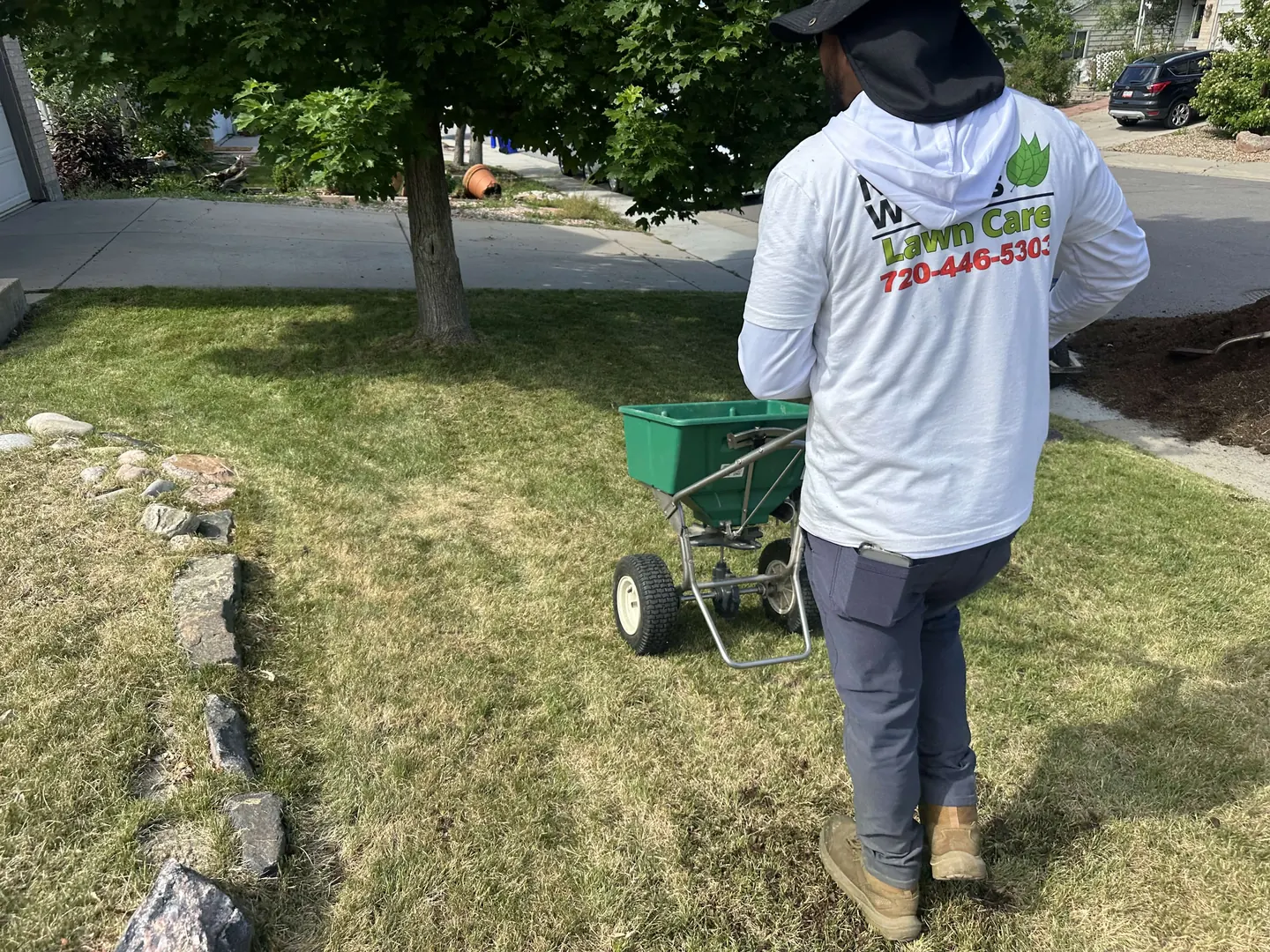
Overseeding fills in bare spots, thickens thin turf, and introduces newer, disease-resistant grass into your existing lawn. In Aurora, it is one of the most effective investments you can make for a better-looking yard. But timing and seed selection matter more here than in most other places.
Why Aurora Lawns Need Overseeding
Aurora's clay soil, intense UV, and winter freeze-thaw cycles create conditions where grass naturally thins out over time. Traffic kills crowns. Drought stress creates gaps. Disease and grubs take out patches. None of those areas fill in on their own. Without overseeding, thin spots stay thin.
Overseeding also lets you upgrade your lawn. Grass varieties have improved over the past decade. Newer Kentucky bluegrass cultivars are more drought-tolerant and disease-resistant than whatever was planted when your house was built 15 or 20 years ago.
The Best Time to Overseed in Aurora
Fall is the right window. Specifically, late August through mid-September along the Front Range. Here is why:
- Soil temperatures are still warm (65 to 70 degrees), which is ideal for germination
- Cooler air temperatures reduce stress on new seedlings
- Fall rains help keep the seedbed moist without constant irrigation
- New grass has time to root in before winter and comes back stronger in spring
Spring overseeding works, but there is a real problem: Aurora summers are hot, dry, and hard on new grass. Seedlings that germinate in spring have to survive their first summer before they are established. Many do not make it. Fall-seeded grass gets a full cool season to root in, then comes back strong in April.
What Grass Seed Works Best in Aurora
Kentucky bluegrass is the dominant grass in Aurora and the right choice for most yards. It is a cool-season grass that goes dormant in winter and comes back thick each spring. Look for improved cultivars, varieties bred specifically for drought tolerance and disease resistance. They perform noticeably better than cheaper seed mixes.
For shadier areas, tall fescue handles low light better than bluegrass. It is coarser in texture but performs in spots where bluegrass struggles and thins out.
Avoid warm-season grasses like Bermuda or zoysia. They do not survive Colorado winters.
When buying seed:
- Look for "improved Kentucky bluegrass" or specific cultivar names on the label
- Choose seed with germination rates of 85 percent or higher
- Buy from a local feed store or garden center, not a big-box store discount bin
- Avoid mixes with a high percentage of annual ryegrass. It looks good for one season then dies out
Aurora-Specific Timing for Overseeding
The window from late August through September 15 is what we target for Aurora overseeding jobs. A few specifics that matter at 5,400 feet elevation:
- Soil temperature at two inches should be 65 to 75 degrees Fahrenheit. Use a soil thermometer, not just air temperature
- Late August in Aurora typically has soil temps in the upper 70s. Wait until they drop slightly before seeding
- By mid-October, soil temps drop below 50 and germination stalls. Seed put down after mid-October will not establish before winter
- In a year with an early cold snap in September, push your seeding earlier in the window
Aurora's altitude also means stronger UV and faster soil moisture loss than lower-elevation areas. Keep the seedbed moist during germination, which means twice-daily watering for two to three weeks in the fall window. Skip that step and germination rates drop sharply.
The Step You Cannot Skip: Aerate First
Overseeding into existing turf without core aeration produces poor results. The seed sits on top of thatch and never makes good contact with soil. Germination rates are low and the seedlings that do sprout struggle to root in.
Aeration before overseeding solves this. The tines pull plugs that create holes where seed drops in and makes direct contact with soil. Germination rates jump significantly. This combination, aeration plus overseeding in fall, is the most effective single-season lawn improvement available to Aurora homeowners.
How Much Seed to Use
Overseeding rate for Kentucky bluegrass: 2 to 3 pounds of pure live seed per 1,000 square feet. More is not better. Too dense and the seedlings compete with each other. After spreading seed, lightly rake it into the aeration holes, apply starter fertilizer, and keep the seedbed moist until germination.
Common Overseeding Mistakes in Aurora
- Seeding too late in fall (after September 15 in most years)
- Skipping aeration and seeding into thatch
- Using cheap seed with filler varieties and low germination rates
- Not watering frequently enough during the germination window
- Applying pre-emergent weed killer before or after seeding (pre-emergent kills seed; post-emergent stresses new seedlings)
Common questions
Late August through mid-September.
- Soil is still warm for germination but air temps are cooling, which reduces stress on new seedlings.
- Fall-seeded Kentucky bluegrass has time to establish roots before winter and comes back strong in spring.
- Spring overseeding works but new grass has to survive its first Aurora summer before it roots in.
Improved Kentucky bluegrass cultivars are the right choice for most Aurora yards.
- Look for cultivar names on the label and germination rates of 85 percent or higher.
- For shady spots, tall fescue handles low light better than bluegrass.
- Avoid warm-season grasses like Bermuda or zoysia.
- They do not survive Colorado winters.
Yes.
- Seeding into existing turf without aeration produces poor results.
- Seed sits on top of thatch and never makes good contact with soil.
- Core aeration creates direct seed-to-soil contact and significantly improves germination rates.
- The combination of aeration plus overseeding in fall is the most effective single-season lawn improvement for Aurora homeowners.
Kentucky bluegrass germinates in 14 to 21 days under good conditions.
- You will see thin coverage at four to six weeks.
- Full density typically takes one full growing season.
- Fall overseeding pairs well with the natural spring recovery cycle for this reason.