Power Raking and Dethatching in Aurora, CO
Professional power raking for Aurora, CO lawns. Remove dead thatch, let your lawn breathe. Essential spring service for Colorado lawns. Free quotes.
Get Your Free Quote (720) 446-5303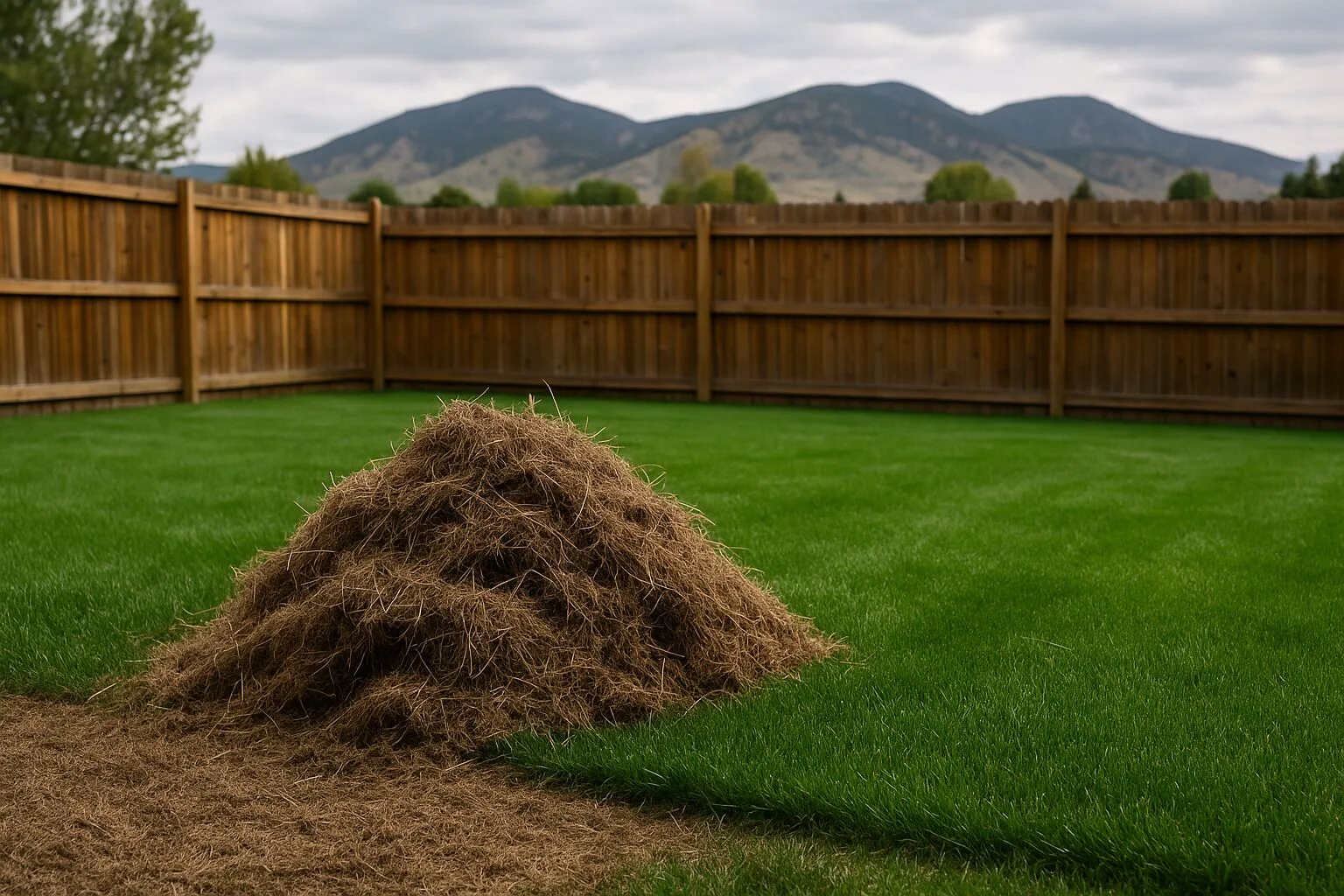
What Is Power Raking?
That spongy, matted layer of dead grass sitting between your green blades and the soil is called thatch. A thin layer (under half an inch) is fine. It actually insulates roots and retains moisture.
But when thatch builds up past half an inch, it suffocates your lawn. Water runs off instead of soaking in. Fertilizer sits on top of dead material instead of reaching roots. Disease and insects thrive in the warm, moist layer.
Power raking mechanically removes excess thatch so water, air, and nutrients can get where they need to go.
Power Raking vs Dethatching
They are often used interchangeably, but they are different:
- Power raking uses spinning blades to aggressively slice through and pull up thatch. It is more thorough and better for lawns with significant buildup.
- Dethatching uses spring tines to lightly rake the surface. It is gentler but less effective for heavy thatch.
Most Aurora lawns that have gone a few years without treatment need power raking, not just dethatching. Colorado bluegrass is a heavy thatch producer.
Want to see what this would cost for your yard?
Get Your Free QuoteWhen to Power Rake in Aurora
Early spring, before the lawn fully greens up. Typically late March through mid-April in the Aurora area. You want to power rake when the grass is starting to wake up but has not hit its growth peak.
Power raking too late in spring (May or later) stresses grass right when it needs energy for the growing season. Power raking in fall is generally not recommended because the lawn does not have time to recover before winter.
What to Expect
Power raking is aggressive. Your lawn will look rough afterward: torn up, brown, and messy. This is normal and expected.
Within 2-3 weeks, the grass bounces back stronger than before. New growth fills in quickly when it can finally access sunlight, water, and nutrients without a thatch barrier.
We haul away all the debris. You do not have to deal with bags of dead grass.
Power Raking for Colorado Bluegrass
Colorado bluegrass is the dominant grass type along the Front Range, and it produces thatch faster than almost any other cool-season grass. Our combination of dry winters, alkaline clay soil, and intense UV creates conditions where dead grass accumulates faster than microbes can break it down.
This is why power raking is more critical in Colorado than in states with more temperate climates. A lawn in Ohio might go years without thatch problems. A Colorado bluegrass lawn in Aurora, Centennial, or anywhere along the Front Range will build up a problematic thatch layer in just one to two seasons without intervention.
Power Raking + Aeration: The Colorado Spring Combo
The best spring treatment for Colorado lawns is power raking followed by core aeration. Power rake first to strip the thatch layer, then aerate to break up the compacted clay underneath. This one-two punch opens up the soil completely.
If you are also planning to overseed, do it immediately after aerating. The seed falls into the aeration holes for direct soil contact, and with the thatch removed, nothing blocks the seedlings from reaching sunlight.
Frequently Asked Questions
When should I power rake my lawn in Colorado?
The best time to power rake in Colorado is late March through mid-April, before your lawn hits its peak growth. The grass should be starting to green up but not fully growing yet.
What is the difference between power raking and dethatching?
Power raking uses spinning blades to aggressively cut through and lift thatch. It is more thorough and better for Colorado lawns with significant buildup. Dethatching uses spring tines for lighter surface raking. Most Aurora homeowners searching for lawn dethatching actually need power raking because Colorado bluegrass produces thatch faster than light dethatching can keep up with.
How much does power raking cost in Aurora, CO?
Power raking cost in Aurora depends on lawn size and how heavy the thatch layer is. We quote off satellite imagery of your property and send a flat number back, usually within 24 hours. Get a free instant quote in under 2 minutes, no phone call required.
Will power raking damage my lawn?
Your lawn will look rough for 2-3 weeks after power raking. This is normal. The grass bounces back stronger than before once it can access sunlight, water, and nutrients without a thatch barrier.
Should I power rake or aerate first in spring?
Power rake first to remove the thatch layer, then aerate to break up compacted Colorado clay soil. This one-two punch gives your lawn the best start to the growing season.
How often should Colorado lawns be power raked?
Most Colorado bluegrass lawns benefit from annual power raking in early spring. Colorado bluegrass is a heavy thatch producer, so skipping years allows buildup that suffocates your lawn.
Your Yard Could Be Next
Get a free estimate in under 2 minutes. Most Aurora customers are booked within 48 hours.
Get Your Free Estimate