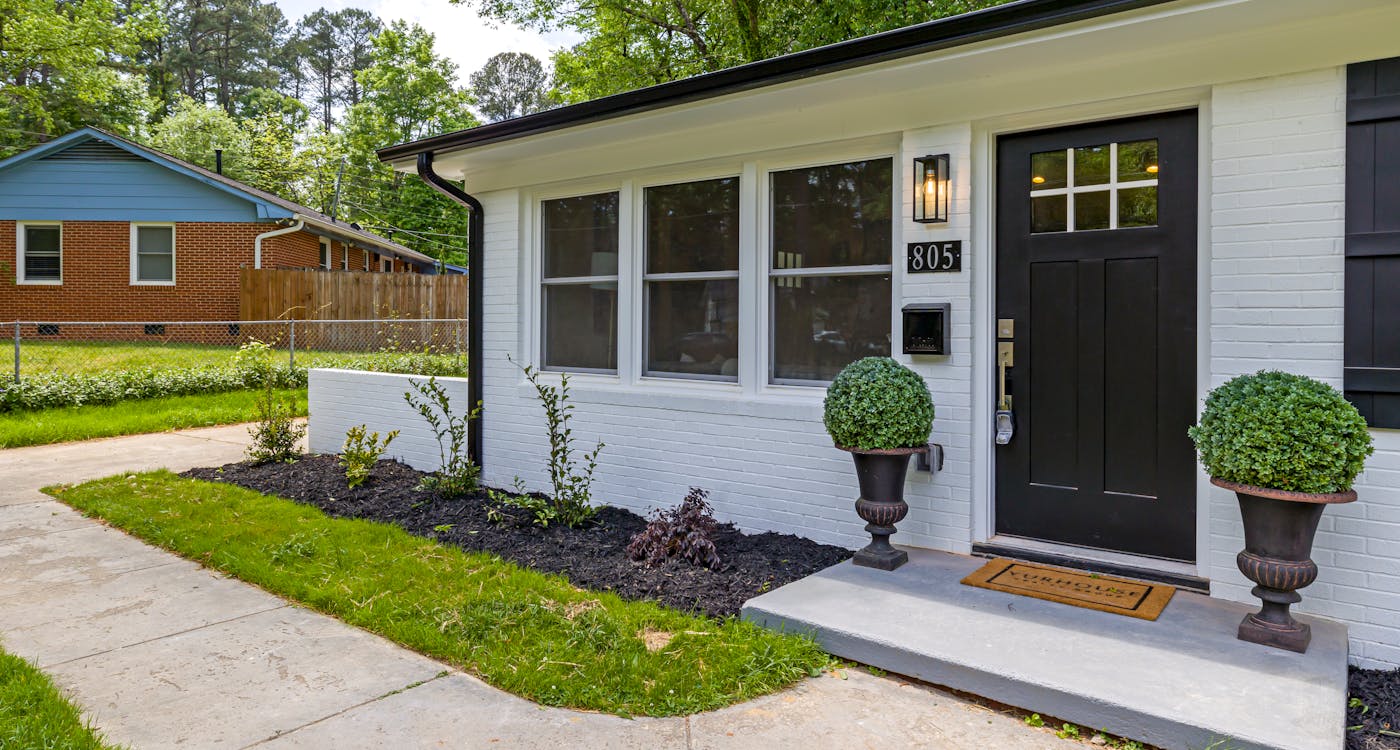
The best time to mulch in Aurora is mid-April through early May, after the last hard frost but before the summer heat locks in. If you go too early, you trap cold air against roots that are just waking up. Go too late and the weeds are already running. That window in spring, roughly April 15 to May 10, is the sweet spot for most Aurora yards.
There's also a second window in late October, right before the ground freezes. Fall mulch acts as a blanket. It slows the freeze-thaw cycle that cracks soil and heaves roots out of place, which is a real problem at 5,400 feet where temperatures swing 40 degrees in a single day.
Why Aurora's Climate Makes Timing Matter More
Aurora sits at the edge of the High Plains. Clay soil, dry air, and late-season frosts that sneak in through May. That combination punishes flower beds and garden borders that don't have mulch protecting them.
Colorado clay holds water poorly and compacts fast. Mulch breaks that cycle. It slows moisture loss, keeps soil from forming a crust after irrigation, and feeds microbes that loosen the clay over time. But only if it's down at the right time. Mulch laid in February just sits there getting soggy. Mulch laid in June is too late to block the first wave of weeds.
Spring Mulching in Aurora: What We See
We serve over 150 lawns across Aurora, mostly in the 80013, 80014, 80015, 80016, and 80017 zip codes. Every spring, we see the same thing: homeowners who waited too long. They mulch in late May or June after the crabgrass is already up, and the mulch doesn't stop what's already growing. It only slows new seeds.
The yards that look best in July are the ones that got fresh mulch in April. Two to three inches over clean beds, pulled back from plant stems, and the difference is obvious. Fewer weeds, better color in the ornamentals, and soil that stays workable through the dry summer stretch.
Fall Mulching: The Step Most Homeowners Skip
Aurora gets an average of 55 nights below freezing between October and March. That freeze-thaw damage adds up. Roots heave. Perennials that were perfectly healthy in September don't come back in spring. Fall mulch, applied after the leaves drop but before the first hard freeze, prevents a lot of that.
Late October is the target. Once daytime temps drop below 50 consistently, you've hit the window. Three inches does the job. Don't wait until Thanksgiving, the ground can freeze solid fast after a November cold snap in Colorado.
Signs You Need to Remulch Now
- You can see bare soil between plants, mulch should be 2-3 inches deep everywhere
- Weeds are sprouting through existing mulch, the layer has thinned out
- Mulch looks gray and dried out instead of rich brown, it's past its useful life
- Soil is cracking or crusting after watering, no protection left
- You haven't mulched in two or more years, it breaks down and disappears over time
- Plant roots are visible at the surface, freeze-thaw has lifted them
How Much Mulch Do Aurora Yards Need?
The standard is 2 to 3 inches for established beds. More than 3 inches can actually hurt plants by blocking oxygen to roots and holding too much moisture against stems. Less than 2 inches won't block weeds or hold moisture through a Colorado summer.
For a typical Aurora flower bed or garden border, one cubic yard of mulch covers about 100 square feet at 3 inches deep. Larger yards with wraparound beds often need 3 to 5 yards depending on how much border they have.
Shredded Hardwood vs. Rock Mulch in Aurora
Shredded hardwood is what we typically recommend for organic beds. It breaks down slowly, feeds the soil, and looks clean for a full season. Cedar and cypress repel some insects naturally. Pine bark works too but floats in heavy rain, which matters in areas that get summer downpours.
Rock mulch is popular in Aurora because it doesn't need replacing. But it traps heat in summer, which can stress plants in beds that get afternoon sun. It's better suited for low-water xeriscaping than for traditional flower beds with annuals and perennials.
Common Mulching Mistakes We See in Aurora
- Volcano mulching: piling mulch up against tree trunks. It rots bark and invites pests. Keep mulch 3 to 6 inches away from the trunk.
- Going too thick: more than 4 inches blocks air and water. You'll suffocate roots.
- Mulching over wet beds: mulch laid over soggy soil traps moisture and causes rot.
- Using dyed mulch over vegetable beds: the dyes are fine for ornamental beds but skip them near anything edible.
- Skipping edging first: mulch that isn't edged spills onto grass and looks sloppy within a week.
One more thing specific to Aurora, the high altitude UV here fades mulch faster than it does at sea level. Don't be surprised if dark brown mulch looks gray by August. That's normal. It still works, it just doesn't look as sharp.